

I think we can all safely say that we put off things that we don’t enjoy and even though our team here at Spit Road Dental are fabulous, we understand that most of you don’t jump at the chance to be here. Regular checks are so important for all ages… ranging from the youngest, to familiarise them with our rooms, the teenage to make sure they are brushing and looking after all the new teeth that are emerging, the young adults to check that they are not neglecting their teeth and gums, adults, to carry on ongoing maintenance and preserve …
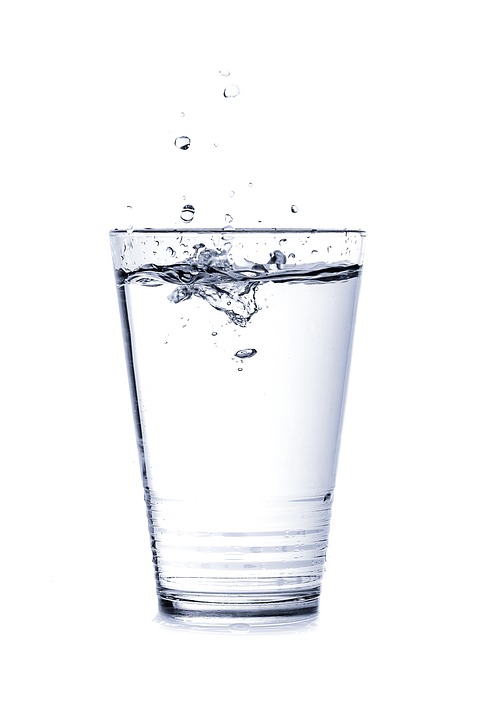
Fluoride is a mineral found in food, water, plants and toothpaste. Brushing with fluoride toothpaste and drinking fluoridated water helps to protect teeth against decay. Fluoride is a mineral found naturally in rock, air, soil, plants and water. All fresh and sea water contains some fluoride. Many foods and drinks naturally contain fluoride. It is also added to: Drinking water, where fluoride is added to the local water supply Fluoride toothpastes, gels and mouth rinses Fluoride is helpful because it: Helps protect against tooth decay in children and adults Repairs weak spots that could become cavities on the surface …

What is a cavity? Decay happens over time and the result is a cavity. Teeth are covered with a hard protective top layer called enamel. But once the enamel is weakened by acids produced by bacteria, a pit or cavity is formed in or on the tooth surface. Do I have cavities? Your dentist finds cavities during a regular dental checkup. They probe your teeth, looking for soft spots, or use X-rays to check between your teeth. If you’ve had a cavity for a while, you might get a toothache, especially after you eat or drink something sweet, hot, or cold. …

Plaque is sticky and colourless; it contains bacteria that build up naturally on tooth surfaces and especially along the gum line. Sugars in food and drinks can combine with plaque bacteria to release acids. These acids attack tooth enamel and break it down, which can then create cavities. Plaque bacteria can also contribute to gum disease, like gingivitis. Regular brushing and flossing are your most effective tools in the fight against plaque. If it’s not removed daily, plaque eventually accumulates and hardens into tartar. Tartar, sometimes called calculus, is plaque that has hardened on your teeth. Tartar can also form at and underneath the gum …

We all look for and love a bargain in our everyday lives and try to “save” money in everything we do but sometimes the “cheap” option is the worst option and potentially dangerous… Trying to save money by having dental work done overseas can ultimately come at a very high cost in the long run. The idea of going on a holiday and having the dental treatment you have been wanting to get done here but felt it was not affordable seems like a win win situation all round… This however involves lots of risks. There are reasons why dental …
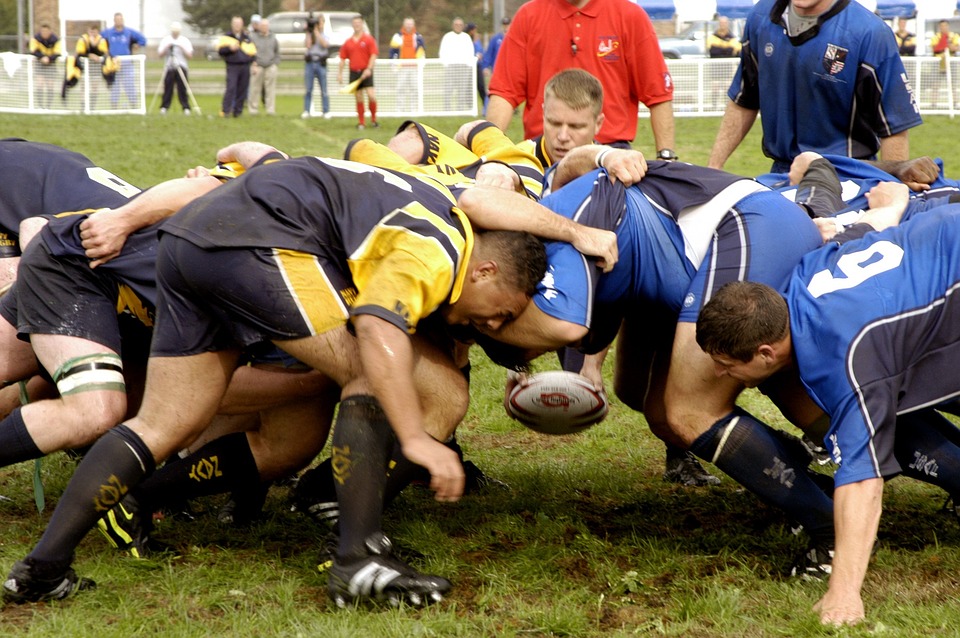
Footy, rugby, netball etc are all contact sports and whilst you get your children’s kits and boots and headgear ready, remember to take the time to think about protection for their teeth. It is so important that team members wear a professionally made mouth guard to protect from possible injury. Most people are aware that inferior and somewhat cheaper “do it yourself” mouth guards are available to buy at sports shops and pharmacies but beware, when making one of these for yourself or your child you are also taking a risk of damaging your mouth without even having an accident …
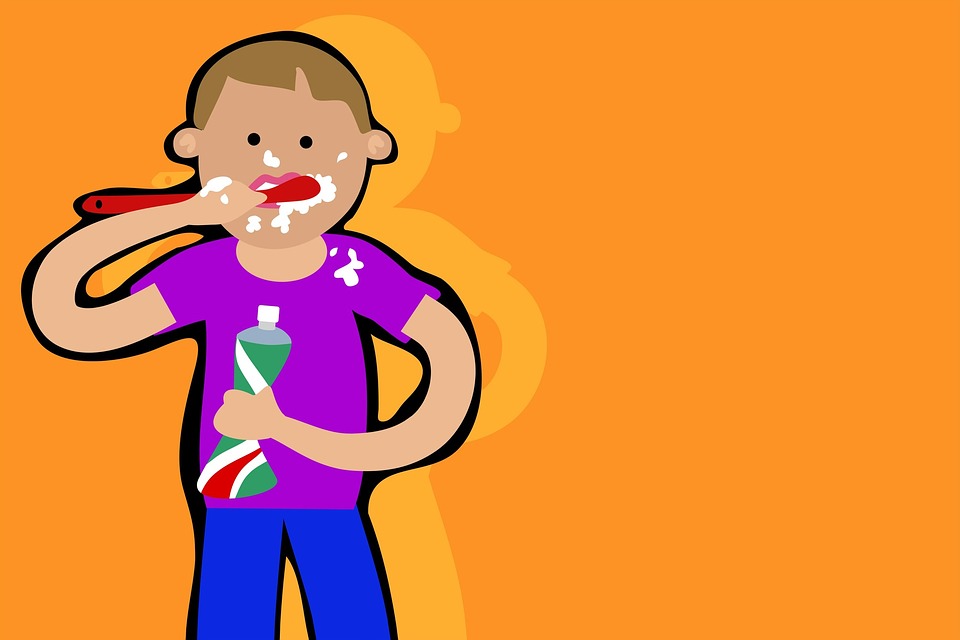
….. and why you should stop! Not brushing for long enough – The average person brushes their teeth for 45 seconds. Aim for two full minutes of brushing both morning and night, that way it gives your toothpaste enough time to do its job! Forgetting your tongue – Bacteria can live on your tongue, causing oral infection and bad breath. Don’t forget to brush your tongue after cleaning your teeth! Brushing at the wrong angle – Holding your toothbrush at a 45 degree angle is ideal for the most effective clean. This helps reach those hard to reach places above …

Chewing celery helps in producing move saliva in your mouth which prevents plaque. Eating celery once a week can help keep your teeth naturally clean on top of brushing. The tooth is the only part of the body that cannot repair itself. Chemicals in red wine called proanthocy anidins have strong antioxidant properties that work to prevent bacteria from sticking to saliva and teeth. Studies have shown that our molars can feel a piece of grit as small as 10 microns across between our teeth. Did you know the approximate age of a sheep can be determined by examining their upper incisor teeth. …
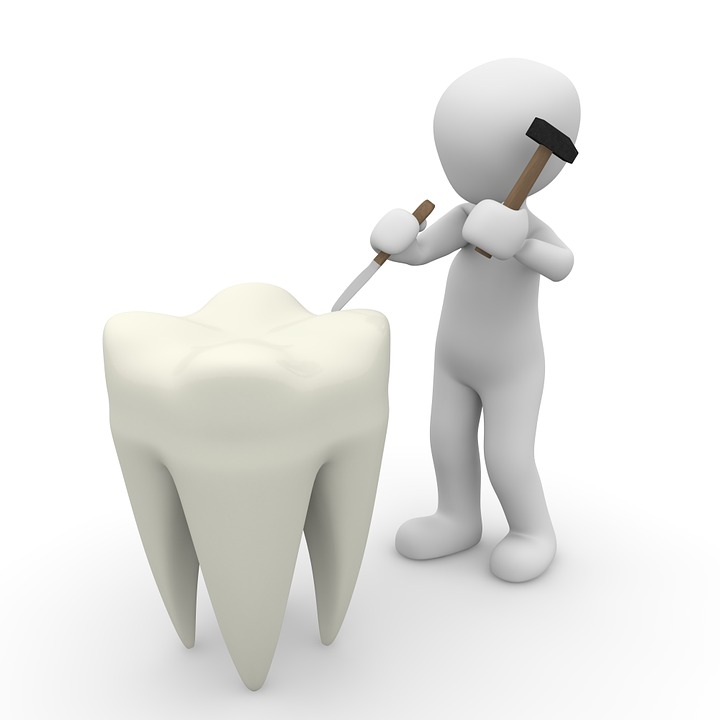
Tooth enamel is made up of mostly minerals, primarily hydroxyapatite. If it is destroyed, your body does not make more to replace it as it does not contain any living cells, so it cannot regenerate. Enamel is the hardest part of your body (even harder than your bones!). It’s found on the outer surface of your teeth, it is semi translucent so the colour can vary from light yellow to a greyish white. Enamel is important as it helps protect your teeth from decay and protects the sensitive inner layers of your teeth. You can protect your enamel by avoiding …
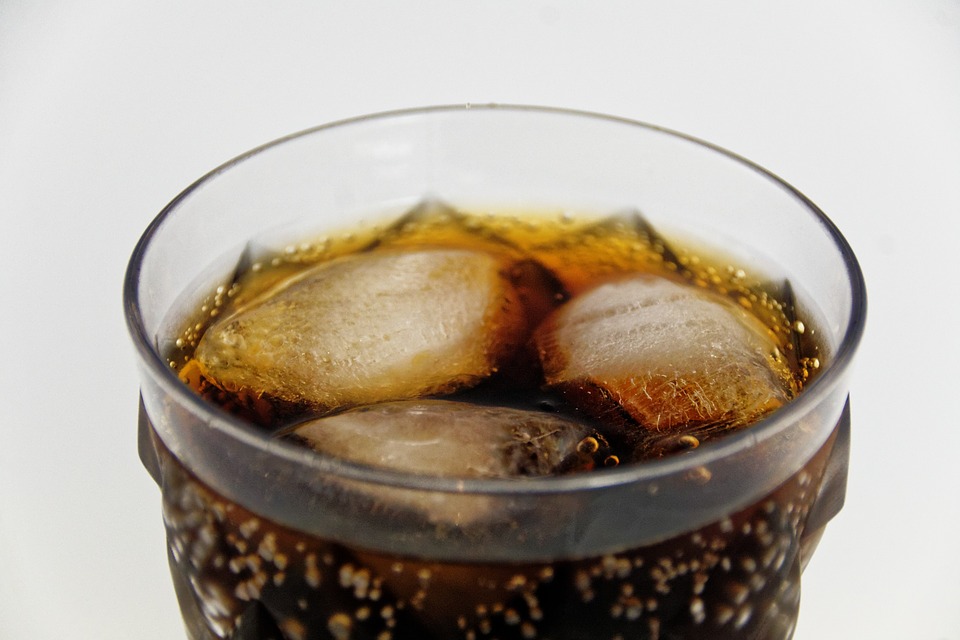
Chewing on ice – It’s natural and sugar free so you might think chewing on ice is harmless. But eating hard, frozen cubes of ice can chip or even crack your teeth. Not wearing a mouth guard while playing sport – Wearing a mouth guard while playing a contact sport could save your teeth from being chipped or even knocked out. They can be purchased from a chemist or made by your dentist. Bedtime bottles – By giving your baby a bedtime bottle of milk, juice or formula, can put new teeth on the path to decay. The baby may get …